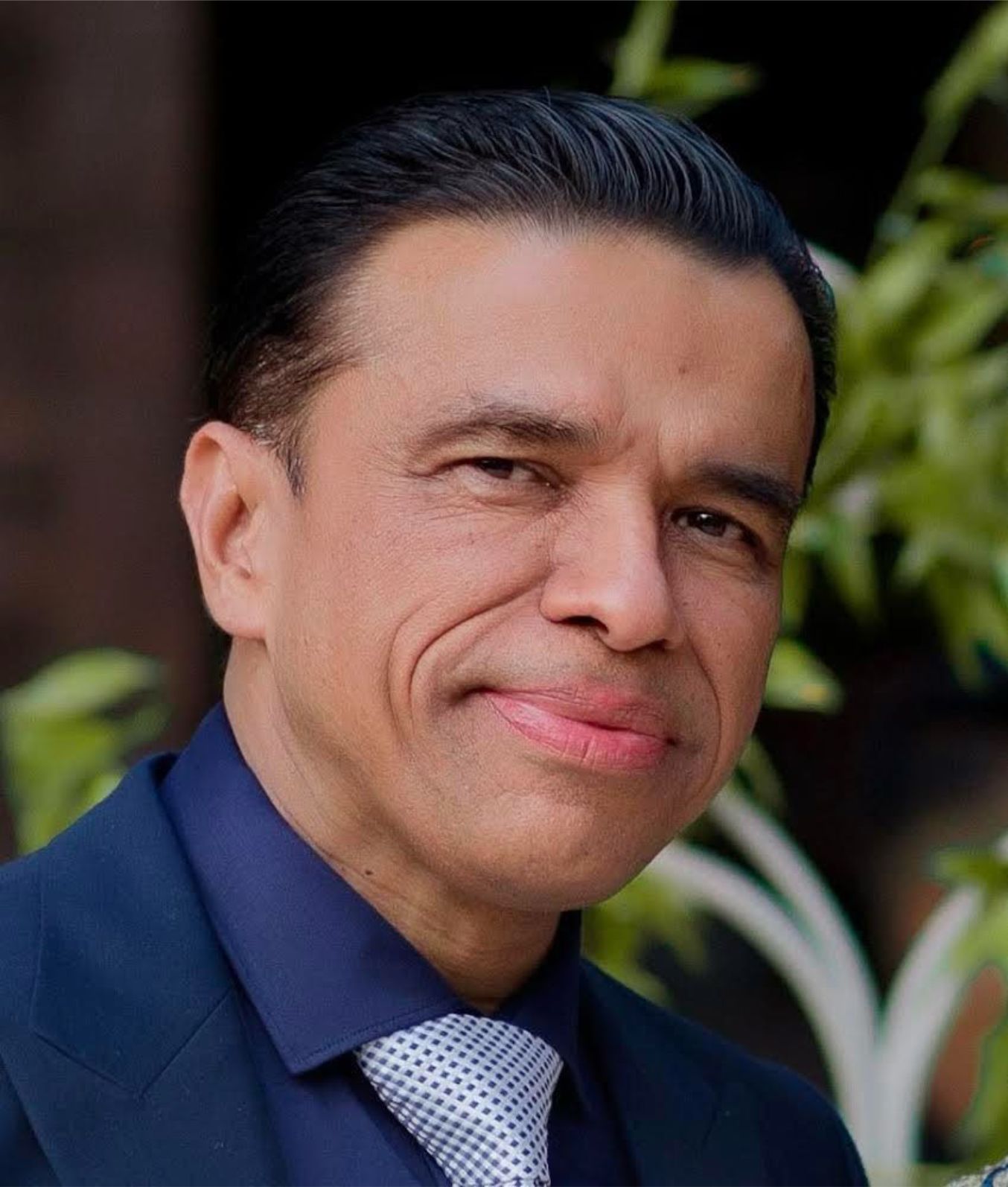
ES. Expro Events & Exhibits carries a legacy spanning decades. Could you take us through this journey and highlight some key milestones that have shaped the organisation?
Vipul Agarwal. Our journey at Expro Events & Exhibits is deeply rooted in a century-old legacy that began in 1926 with the establishment of our parent company, Lallooji & Sons. This long-standing history continues to shape our values and operations even today.
Over the decades, we have been part of several defining national moments. One of the most significant milestones in our early history was the execution of the ceremonial rally for Queen Elizabeth II and Prince Philip during their visit to India in 1961. Our legacy also includes working alongside respected national leaders such as Jawaharlal Nehru, Lal Bahadur Shastri, and Subhash Chandra Bose.
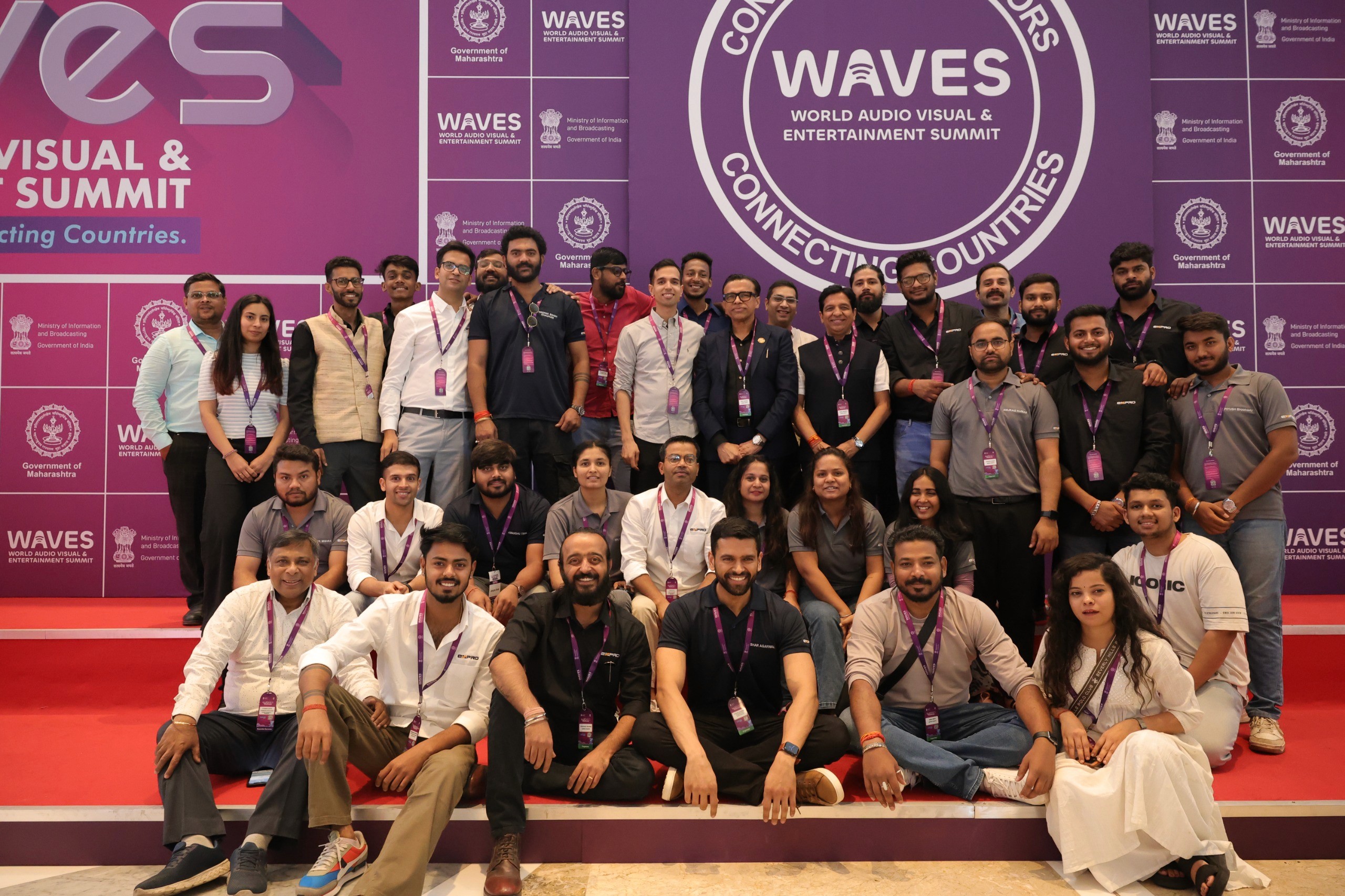
Over the last four decades, we have undergone a major transformation, moving from traditional tenting solutions to becoming a comprehensive, end-to-end event solutions company. This required a complete shift in mindset, from basic setups to delivering highly complex and large-scale event environments.
As I often say, “we moved from tenting to engineering-driven solutions, and that transformation defined who we are today.”
By focusing on turnkey solutions and large-scale venue operations, we have established ourselves as a specialized player capable of handling complex projects. Today, we combine historical reliability with advanced technical capabilities to deliver high-standard environments for global platforms such as WTSA and WAVES.
ES. You have witnessed the exhibition industry grow significantly in India. How would you describe the changing landscape of exhibitions in the country today?
Vipul Agarwal. The exhibition industry in India has evolved significantly over the years. We are witnessing a clear shift from smaller, fragmented formats to large-scale platforms that are aligned with global benchmarks. Today, exhibitions are designed not just as physical spaces but as structured environments that attract international participation and enable meaningful business opportunities.
A major driver of this transformation has been the development of world-class infrastructure. Venues such as Bharat Mandapam, Yashobhoomi, Jio World Convention Centre, BIEC, and Hitex have enabled India to match global standards in execution and scale. At the same time, exhibitions have evolved into experience-led environments where infrastructure, design, and integrated technology work together seamlessly.
“Exhibitions today are not just about space; they are about creating complete business ecosystems,” and that is the biggest shift we are witnessing.
With increasing international participation, expectations have also risen. This global exposure is pushing the entire ecosystem to improve precision, safety standards, and execution efficiency. At the same time, we continue to adapt global best practices to suit the unique scale and challenges of the Indian market, ensuring solutions remain both globally aligned and practically efficient.
ES. Expro has executed numerous large-scale and complex projects over the years. What goes into delivering such assignments successfully, and what has been your learning from these experiences?

Vipul Agarwal. Delivering large-scale and complex projects successfully requires a structured approach that combines planning, experience, and strong operational systems. Every project is treated as a unique ecosystem where design, engineering, logistics, and manpower must work in complete coordination.
Effective stakeholder management is also critical, as it ensures alignment between multiple parties involved. Our strong in-house inventory allows us to maintain better control over quality and execution standards.
Another key factor is the ability to deliver under pressure, especially within tight timelines and demanding environments. Over the years, especially through landmark projects like WAVES 2025, we have learned that detailed planning at the initial stage is essential to anticipate challenges and ensure smooth execution. We have also understood that strong systems and processes are necessary to maintain consistency across projects. Ultimately, precision and reliability define success, as reputation in this industry is built on consistently meeting or exceeding expectations.
ES. With this increasing global exposure, how important is it to benchmark against international players, and how has that influenced your approach?
Vipul Agarwal. Benchmarking against international players has become essential in today’s exhibition landscape. Global markets, especially in Europe and the Middle East, have set high standards in infrastructure quality, safety protocols, and execution efficiency.
This has influenced us to adopt global best practices such as advanced modular systems, improved material technologies, and refined operational processes. We continuously study how exhibitions are executed globally in terms of scale and precision to enhance our own standards. At the same time, it is important to adapt these standards to the Indian context, where scale and operational challenges are very different. Our focus remains on delivering solutions that are globally aligned while being practical and efficient locally.
ES. What are the key growth drivers shaping the exhibition infrastructure segment today?
Vipul Agarwal. The growth of the exhibition infrastructure segment is closely linked to the evolution of the exhibition
industry itself. Increasing scale and ambition among organizers is one of the primary drivers, as exhibitions are now designed as impactful business platforms rather than simple displays.
There is also a growing demand for high-quality and safe infrastructure. The participation of diverse industries such as textiles, manufacturing, technology, and consumer goods is further driving innovation, as each sector brings unique requirements. India’s emergence as a global business destination has contributed significantly to this growth, with increasing international confidence leading to larger and more complex events.
The availability of world-class venues such as Bharat Mandapam and Yashobhoomi has acted as a catalyst. Looking ahead, opportunities like hosting global sporting events such as the Olympics or Commonwealth Games are expected to create further demand for advanced infrastructure.
ES. Sustainability is gaining importance across the exhibition industry. How is Expro addressing this aspect in its operations?
Vipul Agarwal. Sustainability has become an integral part of how we approach our operations. We focus on material circularity by using reusable and recyclable materials throughout the project lifecycle.
The adoption of modular systems is another key step, as these systems can be reconfigured and reused across multiple events, reducing waste and improving efficiency.
“Sustainability is no longer an option, it is becoming a design standard for the future of exhibitions.”
These practices not only support environmental responsibility but also enhance operational efficiency. At the same time, growing awareness among organizers and stakeholders is encouraging wider adoption of sustainable practices across the industry. Looking ahead, sustainability will play a central role in how exhibitions are designed and executed.
ES. Despite this growth, what are some of the key challenges that infrastructure providers face in the current ecosystem?
Vipul Agarwal. Despite the growth of the industry, several challenges remain. One of the major issues is the lack of
world-class venues in Tier 2 and Tier 3 cities, which limits expansion beyond major hubs like Delhi and Mumbai.
Payment delays, particularly in large-scale and government projects, continue to impact cash flow and create operational challenges. On the execution side, tight timelines and high complexity make project delivery demanding. There is also a constant need to balance global standards with local realities, adapting advanced materials and safety protocols to suit Indian conditions. The push toward sustainability adds another layer of complexity, as it requires continuous investment in systems and materials. Additionally, the technical and infrastructure segment has historically lacked recognition, although platforms like the Exhibition Excellence Awards are helping improve visibility.
ES. Finally, what message would you like to share with young entrepreneurs looking to enter the exhibition and events industry?
Vipul Agarwal. The exhibition and events industry offers
significant opportunities, but it requires the right mindset. Success in this space is built over time through dedication, patience, and consistent execution.
It is a highly execution-driven industry where credibility comes from delivery rather than just marketing.
“This is not a short-term business, it demands patience, consistency, and a long-term commitment to quality.”
Young entrepreneurs should focus on understanding the fundamentals, including engineering, logistics, and stakeholder management, before scaling their operations. Continuous learning and upgrading capabilities are also essential as the industry evolves toward global standards. For those who remain committed to quality and consistency, there is immense potential to create a meaningful and lasting impact.
ES. You have also been associated with platforms like the Exhibition Excellence Awards. As the industry looks forward to the upcoming 10th edition, how do you view the role of such initiatives in shaping and strengthening the exhibition ecosystem?
Vipul Agarwal. Platforms like the Exhibition Excellence Awards play a crucial role in strengthening the exhibition ecosystem. They go beyond recognition and help establish benchmarks that encourage continuous improvement across the industry.
They also provide visibility to technical and infrastructure partners who often work behind the scenes but are essential to execution.
Reaching the 10th edition reflects the maturity and sustained growth of the industry. These initiatives also create opportunities for networking and collaboration, bringing together stakeholders to exchange ideas and explore partnerships.
By showcasing success stories and excellence, they enhance global competitiveness and inspire the next generation, contributing to a more structured and globally recognized exhibition ecosystem in India.