ES. Can you share with us the story behind your transition from clinical occupational therapy to focusing on organizational culture and burnout prevention?
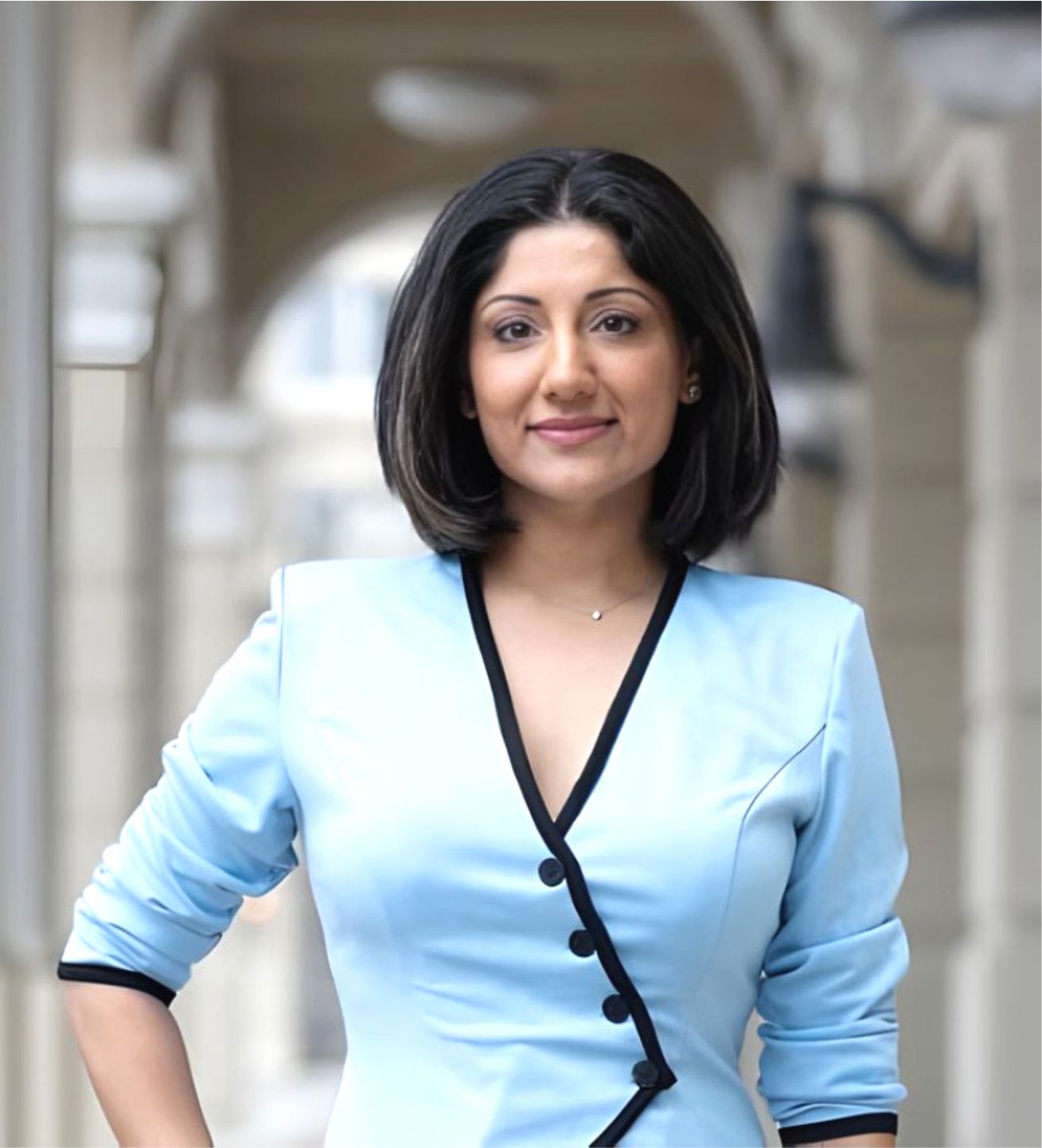
Dr. Chetna Sethi. After earning my Occupational Therapy degree, I knew early on that I wanted to go beyond clinical work. I went on to complete my PhD and became a university professor, conducting research and publishing in OT journals. When I experienced pre-burnout and burnout myself, I realized I wanted to support others facing similar challenges. I left academia and founded Luminous Connections to provide resources and support for individuals and organizations committed to preventing burnout and building healthier work cultures.
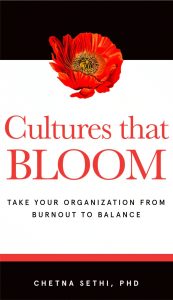
ES. Can you describe the BLOOM framework introduced in your book Cultures That BLOOM: Take Your Organization from Burnout to Balance and how it helps leaders transform organizational culture to prevent burnout?
Dr. Chetna Sethi. The essence of BLOOM lies in reframing burnout and what it truly means. Burnout is often misunderstood as an individual problem rather than a systemic one. One-off interventions fail because there are no structures in place to sustain support for employees. BLOOM offers a more holistic alternative. The framework defines the goal, the means to reach it and address root causes, and the outcomes that signal real progress. Using the acronym BLOOM, it includes:
B – Burnout Prevention: A goal achieved through varied, customized approaches—not isolated individual interventions.
L – Lifestyle Balance: A means by which individuals can invest satisfying time and energy into the areas of life they value.
O – Organizational Culture: A means in which organizations live their values through leadership actions and support employees in living theirs while thriving collaboratively.
O – Optimal Quality of Life: The outcome of individuals being able to meet their needs at work and beyond in fulfilling ways.
M – Meaningful Participation: The outcome of individuals contributing in ways that align with their strengths and values.
I use these elements to measure success across my clients’ organizations. The data gathered allows us to take a methodical, proactive approach to preventing burnout before it takes hold.
ES. As the founder of Luminous Connections LLC, you provide executive coaching and leadership development. What qualities do you believe are essential for leaders to be
effective in today’s fast-paced, high-stress work environments?
Dr. Chetna Sethi. As the founder of Luminous Connections, I’ve seen that effective leadership in today’s fast-paced, high-stress environments is less about authority and more about awareness, adaptability, and intentionality. Leaders who excel are able to regulate their own responses under pressure, think systemically rather than react to isolated problems, and communicate with clarity even in uncertainty. They build trust through relational intelligence, address challenges early, and align decisions with clearly lived values. Most importantly, they prioritize sustainable performance—creating conditions where people and teams can function well over time, not just in short bursts. In this era, leadership effectiveness is defined not by having all the answers, but by cultivating environments where both individuals and organizations can thrive under strain.
ES. What’s next for you and Luminous Connections LLC? Are there any upcoming projects or initiatives you’re particularly excited about?
Dr. Chetna Sethi. What’s next for me and Luminous Connections is a continued expansion of impact across the many spaces where burnout is showing up. Helping people is always the goal, and right now I’m especially energized by the range of populations I’m working with—from stressed medical students and overwhelmed parents to executives concerned about team strain and employees already experiencing burnout. Supporting individuals across these different contexts allows me to address both personal and systemic drivers of stress, which is where meaningful, lasting change really happens. I’m also excited about my book, which allows me to take this message beyond one-on-one and organizational work and share these insights with a much wider audience.