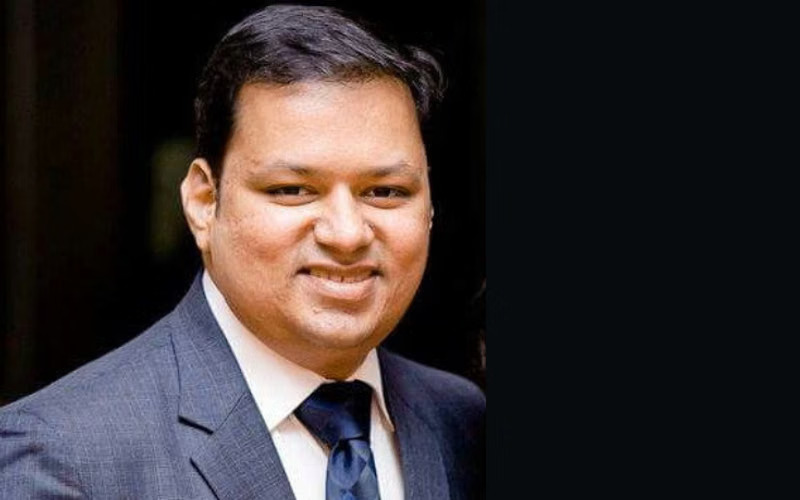
India’s packaging industry is undergoing a fundamental transformation as it responds to rising sustainability expectations, evolving material science, and stricter global compliance frameworks. According to Mr. Umang Gupta of RX India, trade exhibitions have emerged as the most powerful enablers of this shift- operating not merely as display platforms, but as engines of collaboration, technology transfer, and commercial growth.
As the world’s fifth-largest packaging market, with a projected value exceeding USD 200 billion, India stands at a critical juncture. Sustainable packaging is no longer a niche category- it is fast becoming a mainstream business requirement. In this environment, B2B exhibitions focused on packaging and sustainability are playing a strategic role by aligning innovation with policy, and local manufacturers with international opportunity.
Mr. Gupta highlights major industry platforms such as IndiaCorr Expo, India Folding Carton & India Paper Expo, and PackPlus as essential nodes of this ecosystem. Together, these events attract more than 40,000 trade visitors annually and host exhibitors from over 20 countries, connecting the entire packaging value chain- from raw material suppliers and machinery manufacturers to converters, brand owners, and policymakers.
These exhibitions act as gateways for technology transfer. Live machinery demonstrations, supplier engagements, and technical workshops allow Indian companies to benchmark against global standards. At IndiaCorr Expo 2025 alone, more than 250 exhibitors and over 11,000 visitors engaged in in-depth technical and commercial discussions, reinforcing the role of exhibitions as accelerators of industrial adoption.
Sustainability is now central to the exhibition narrative. Biodegradable films, recyclable mono-materials, compostable laminates, and energy-efficient processing machinery dominate the show floor. Mr. Gupta notes that more than 60 percent of attendees at recent RX India packaging exhibitions were key decision-makers from procurement, manufacturing, and R&D- ensuring that innovations showcased translate directly into commercial implementation.
The international dimension is equally significant. Buyers and technology providers from Germany, Italy, China, the UAE, and the United States use Indian exhibitions to evaluate suppliers, form partnerships, and enter the Indian market. Post-event data shows that over 70 percent of exhibitors generate international business leads, underlining the shows’ role in integrating Indian manufacturers into global supply chains.
Exhibitions also function as critical policy bridges. Regulators such as the Bureau of Indian Standards, DPIIT, and the Ministry of MSME engage directly with industry on evolving sustainability regulations, plastic mandates, and compliance frameworks. This two-way dialogue allows policymakers to understand industrial readiness while giving companies clarity on certification and regulatory pathways.
Mr. Gupta concludes that India’s packaging exhibitions now compress years of learning, negotiation, and strategic alignment into three-day, high-impact platforms. They have become arenas where sustainability goals, commercial ambition, and regulatory intent converge- turning vision into viable trade.