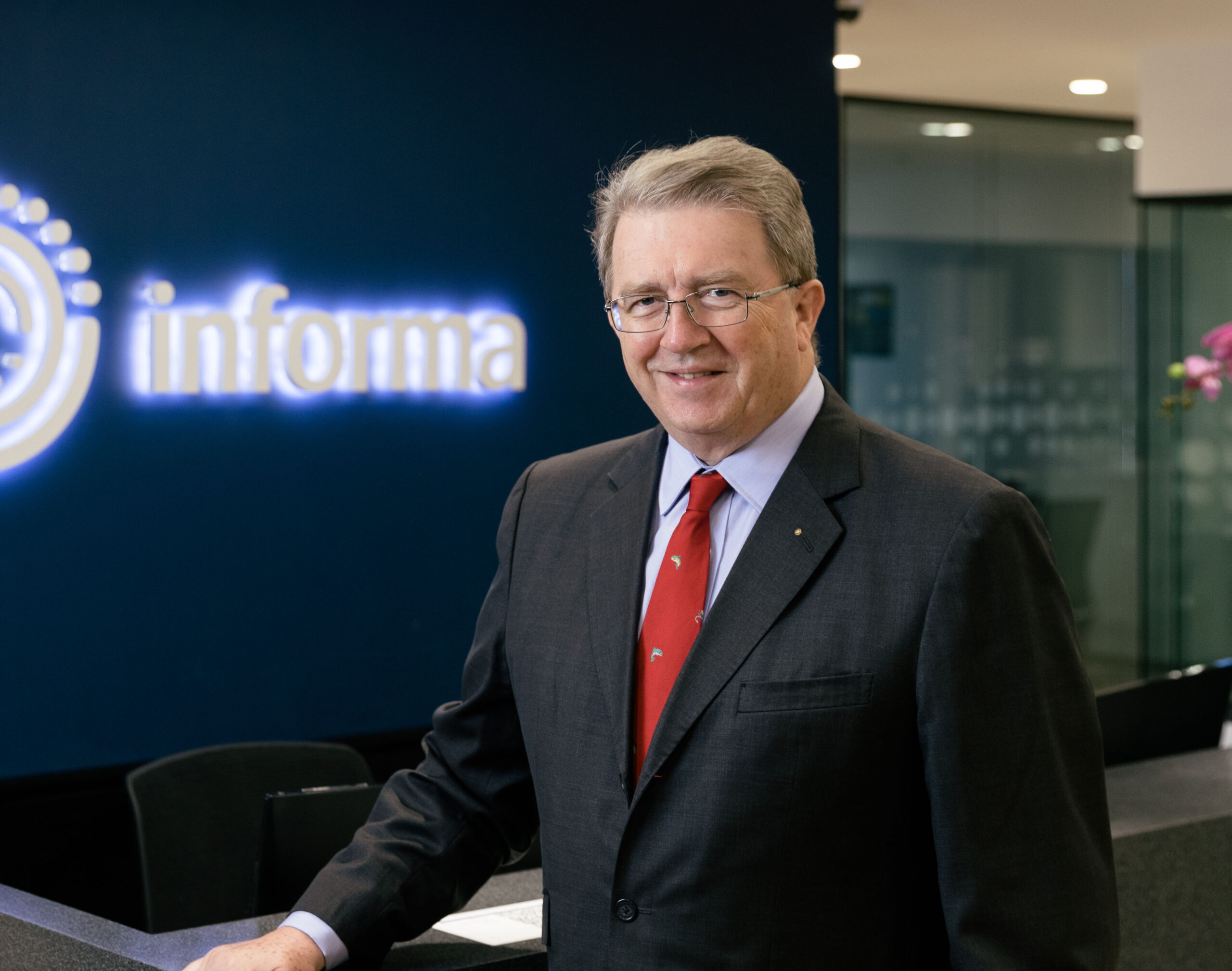
ES. As Executive Vice President of Commercial Development at Informa Markets, what key priorities are shaping your strategy in 2025 and beyond?
Michael Duck. Informa Markets’ exhibition strategy for 2025 and beyond focuses on three distinct market segments: transaction-led events (Informa Markets), content-led events (Informa Connect), and experience-led events (Informa Festivals). Key priorities include maximizing data-driven marketing, enhancing customer experience through technology, and expanding international reach through strategic partnerships like Tahaluf in Saudi Arabia.
ES. According to you, what are some of the biggest challenges and opportunities facing global exhibition organizers today?
- Michael Duck. Challenges
- Economic uncertainty
- Geopolitical instability
- Sustainability/climate concerns
- Digital transformation demands

Opportunities
Strong growth trajectory
AI integration
Hybrid/virtual formats expanding reach
Sustainability-focused innovations meeting market demand
Enhanced experiential marketing through technology
ES. How are global exhibition industry leaders advancing the key agendas of sustainability, digitalization, and inclusivity across events and operations?
Michael Duck. Key Agendas
Sustainability
- German venues investing €500+ million by 2025 to reduce ecological footprints
- Industry targeting climate neutrality by 2040, ahead of national goals
- Resource-saving exhibition stands becoming standard expectation
- Digitalization
- Creating seamless physical-digital experiences through interactive stands
- Leveraging AI for personalized attendee journeys and data insights
- Virtual components expanding global reach while reducing carbon footprint
Inclusivity
- UFI Sustainable Development Award recognizing “Best Inclusion Initiative”
- Events like AES Conference on DEI uniting diverse industry professionals Accessibility technology becoming mainstream, expanding from niche to $37B market
ES. India is among the fastest-growing exhibition markets. How do you assess its global relevance, and what role do you see it playing in the future of the industry?
Michael Duck. India’s exhibition market, valued at US$5.66 billion in 2025 with 8.31% CAGR through 2030, is emerging as a global powerhouse. Its significance stems from:
- Rapidly expanding middle class with increasing disposable income
- Government initiatives boosting tourism and infrastructure
- Digital transformation enhancing event experiences
- Major cities becoming international MICE hubs
India is positioned to become a leading exhibition destination, offering both domestic growth and international partnership opportunities.
ES. What advice would you give to upcoming professionals and entrepreneurs looking to make a mark in the exhibitions business?
Michael Duck. Build a strong personal brand by sharing expertise through blogging, speaking engagements, and publishing industry insights. Network strategically by cultivating meaningful relationships that offer mentorship, collaboration opportunities, and partnerships. Develop cross-functional skills spanning event planning, marketing, sales, and project management. Embrace data-driven decision-making to enhance customer experiences and demonstrate ROI. Stay adaptable as the industry evolves toward experience-led events and digital integration. Seek mentorship from seasoned professionals who can provide guidance and open doors to new opportunities.